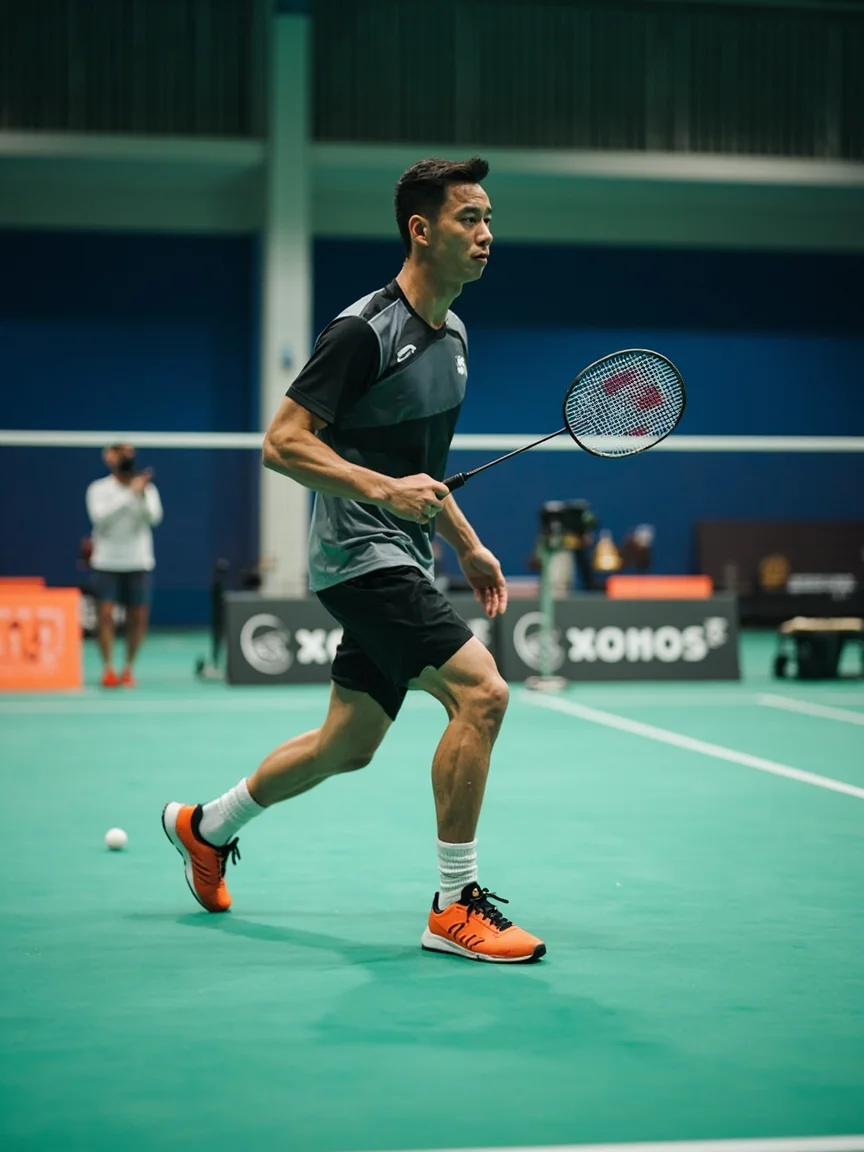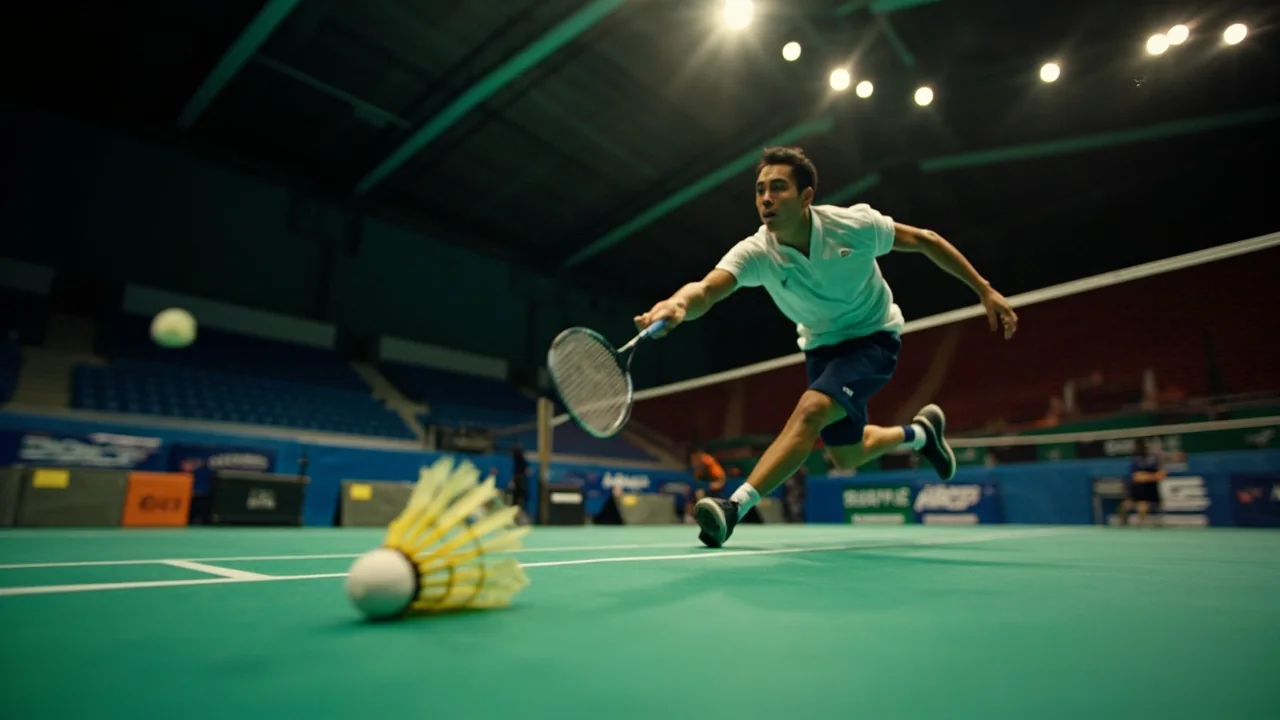
Badminton is the sport on this desk where the rally read matters most. Every rally is a 30-second contest between two players and their choices, and the badminton desk reads the rally the way a coach reads it: pace, deception, footwork and mental game, in that order.
The pace and tempo read
Badminton is a sport of pace. The pace read covers the rally tempo, the smash speed, the drop shot pace and the way the tempo changed when one player took the attack. The pace read is most useful in men's singles, where the rally tempo is fastest and the smash speed decides the contest.
A pace read without a deception read is incomplete. The desk always pairs them.
Deception and shot-pattern read
Deception is the second read. The deception read covers the cross-court drop, the tight net shot, the backhand slice, and the way the player used the shuttle to pull the opponent out of position. The deception read is most useful in women's singles, where the rally length is longer and the deception decides the contest.
A deception read without a footwork read is incomplete. The desk always pairs them.
What a rally read actually shows
A rally read shows the pace, the deception, the footwork and the way the rally ended. The badminton desk reads the rally as a paragraph, not a sequence of numbers. The paragraph is where the read lives; the rally count is the evidence.
Footwork and court-coverage read
Footwork is the foundation of badminton. The footwork read covers the lunge, the split step, the recovery, and the way the player covered the back-court. The footwork read is most useful in mixed doubles, where the court coverage is the difference between a top-ten pair and a top-five pair.
A footwork read without a mental-game read is incomplete. The desk always pairs them.
Mental game and the third-game read
Badminton is a mental sport as much as a tactical one. The mental-game read covers the third-game pattern, the way the player handled the pressure moments, and the way the coach's box communicated between changeovers. The mental-game read is most useful in best-of-three matches, where the third game is often the pivot of the match.
A mental-game read is most useful in the BWF Super 1000 events, where the third-game pattern decides more matches than any tactical change.
Tour calendar - what the desk is watching
Global
Pace reads, deception reads and the year-round BWF calendar. Match briefs every BWF week.
India
The PBL: franchise reads, auction coverage and the way the league has shaped the Indian singles depth.
BWF top tier
The four BWF Super 1000 events of the year: previews, daily briefs and the post-event read.
National team
The Thomas Cup and Uber Cup, with the national-team format that changes the badminton read.
Senior and junior nationals
The Indian national championships, the senior circuit and the junior circuit feeding the BWF.
Indian singles depth
The next-generation watch: who is pushing for the BWF main tour, who is pushing for the PBL franchises.
How a badminton brief is built on this desk
Pace and tempo
A first read of the pace and tempo: rally tempo, smash speed, drop-shot pace and the way the tempo changed when one player took the attack.
Deception and shot pattern
A close look at the deception: cross-court drop, tight net shot, backhand slice and the way the player used the shuttle to pull the opponent out of position.
Footwork and court coverage
A read of the footwork: lunge, split step, recovery and the way the player covered the back-court.
Verdict with caveats
A short verdict on the contest, with the score read as the result of the pace, the deception and the footwork, not just the box score.