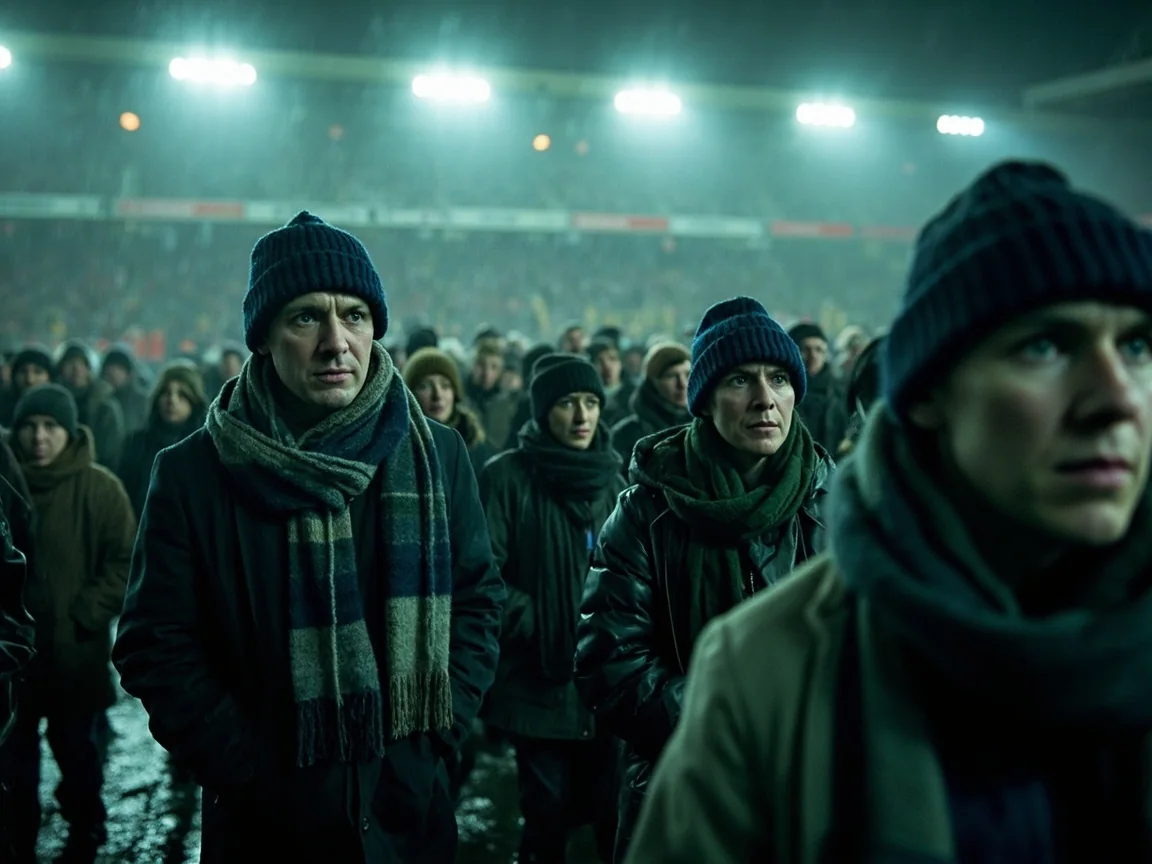
Football players under floodlights pressing high at a night match

Football coverage, with the tactical layer already in your head

Tactical reads, pressing maps, transfer windows and the cultural texture of the away ends - ISL, Premier League, La Liga, Champions League, the lot.

League RangeISL · EPL · La Liga · UCL · AFCFive leagues in depth, plus the Indian national team cycle
Reading LensShape · Press · Set piece · TransitionFour reads per brief, applied to every fixture
Match CalendarMidweek European nights, weekend ISLThe desk follows both calendars without dropping either
Editorial CadenceWeekly brief · Live notes in seasonUpdated before every major match

Football coverage on this desk is built around four reads in this order: shape, press, transition and culture. They are the layers the desk uses to read any fixture, from an ISL league game to a Champions League knockout. The point is not to predict the score; the point is to read the contest well enough that you understand why it ended the way it did.

Reading a football match by shape

A football match is shaped by two teams' systems and the way those systems react to each other. The shape read covers the in-possession block, the out-of-possession block, the role of the full-backs, and the way the midfield three or four lines up against the opposition's.

The shape read is also where the desk is most honest about uncertainty. A 4-3-3 from one manager is a 4-3-3 from another only on the team sheet. The desk treats shape as a starting hypothesis, not a label, and rewrites it after fifteen minutes of actual play.

The press and PPDA read

Pressing is the part of football analysis that travels worst on social media. A screenshot of a PPDA number without context is a poster, not a read. The football desk writes the press read with the trigger, the line of confrontation, and the way the team uses the press to recover the ball, not just to chase it.

The PPDA is reported alongside the press height, the trap side and the way the opposition played around it. Three numbers and one diagram carry more weight than one number on its own.

What a press read is not

A press read is not a PPDA screenshot. It is not a quote from the manager. It is not the count of high turnovers. A useful press read explains the trigger, the trap, the height, and the way the opposition worked around it. If the press read cannot answer why the press failed there, the read is incomplete.

The transition read

Modern football is won and lost in the six-second windows after the ball is turned over. The transition read covers the team's response to losing the ball, the way they counter-press, the route they take when they win it back, and the way they slow the game down when the scoreline asks for it.

Transitions are also where the desk's live notes differ from the broadcast feed. The broadcast shows the transition; the live note explains why the manager set it up that way.

Away ends and match-day culture

Football without the crowd is a different sport. The football desk's culture read covers the away end, the home stand, the ultras, the family stand and the way the match feels from each. It is a texture read, not a tactical one, but it shapes the contest in ways the shape read alone does not.

The culture read is most useful in the Indian league calendar, where the away-end geography often decides the atmosphere more than the league table does.

League calendar - what the desk is watching

ISL

Indian Super League

Tactical reads, pressing maps, transfer windows and the cultural texture of the away ends. Match briefs every ISL weekend.

October to March
Premier League

England

Tactical reads, set-piece analysis, transfer-window notes and the mid-table churn that decides the European places.

August to May
La Liga

Spain

The Spanish pressing schools, the slow-tempo possession games and the way both meet in the Madrid and Seville derbies.

August to May
Champions League

Europe

Knockout football, tactical resets between legs and the Tuesday-Wednesday calendar that reshapes every league weekend.

September to May
AFC & Indian team

Continental & national

AFC Cup nights, AFC Champions League, India senior team tours, the Indian women's team and the U-17 cycle.

Calendar-driven
Super Cup & Durand

Domestic cups

The knockout football that decides the Indian season alongside the ISL playoff bracket.

Calendar-driven

How a football brief is built on this desk

1

Shape hypothesis

A first read of the two teams' systems, with a starting shape, a likely in-possession block and the expected out-of-possession block.

2

Press read

A close look at the press: trigger, line of confrontation, trap side, and the way the opposition played around it.

3

Transition read

A six-second read after each turnover: counter-press, recovery shape, route forward, and the moments where the manager changed the system.

4

Verdict with caveats

A short verdict on the contest, with the score read as the result of the tactical story, not the other way around.

Football tactics and formations session
Tactical board

Why a 4-3-3 from one manager is not a 4-3-3 from another

Two managers can write 4-3-3 on the same team sheet and mean completely different matches. The football desk reads shape as a starting hypothesis and rewrites it after fifteen minutes of actual play. The brief explains the rewrite, not just the starting label.

The shape label is the headline; the press and the transition are the paragraph.

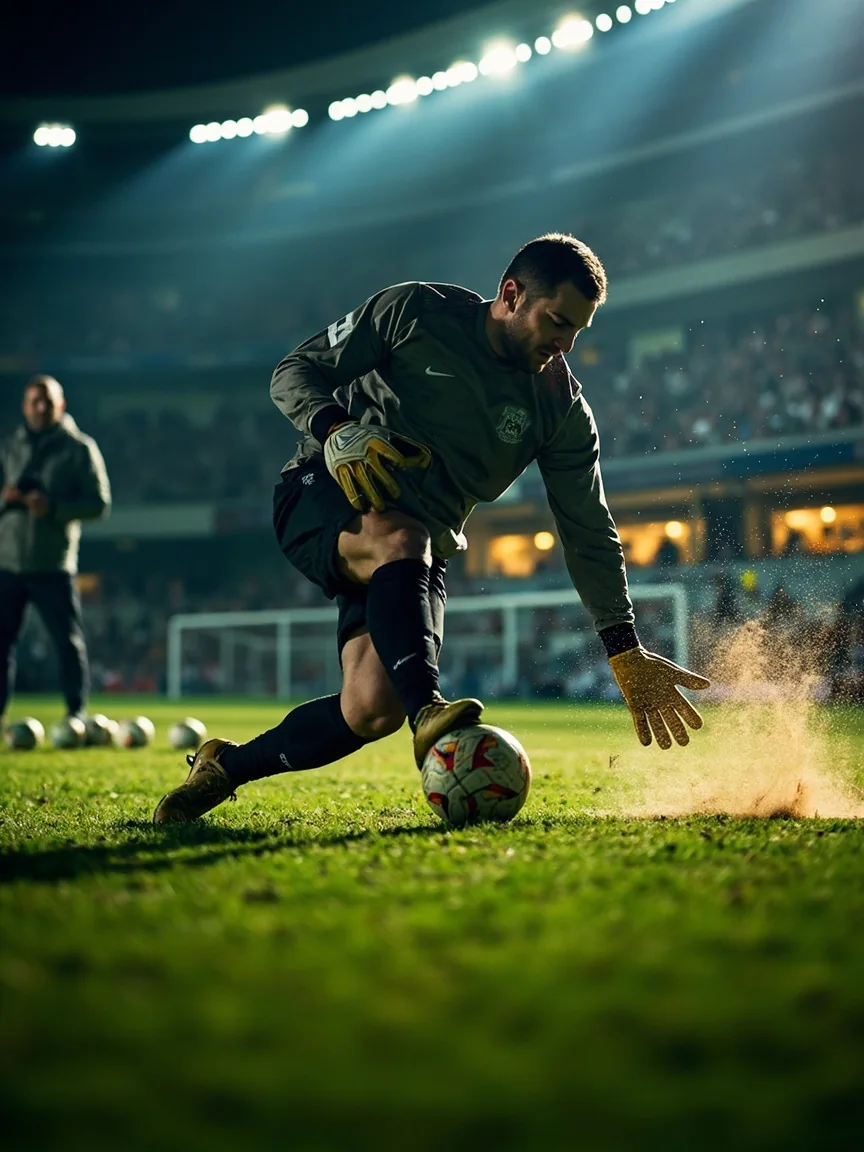
Football goalkeeper and player-role analysis
Player role

The role of a modern goalkeeper in the press

The goalkeeper is the first centre-back in possession and the first line of the press in the modern game. The football desk reads the keeper's starting position, his sweep line, and the way he handles the long ball as part of the shape read, not as a separate analysis.

A goalkeeper who sweeps high changes the press height by ten yards. A goalkeeper who stays home changes the back four by the same amount.

Football away-end culture visual
Away end

Covering a football match from the away end

The away end writes a different version of the same match. The football desk's culture read covers the away stand, the home stand, the ultras and the way the match feels from each. It is a texture read, not a tactical one, but it shapes the contest.

The cultural texture is what makes the difference between a match report and a tactical brief. The desk tries to keep both in the same piece.

By the numbers

The 2026 read, in four numbers

Editorial-grade data points that anchor the football brief. They are illustrative, not forecasts.

8
Calendar events covered

The major events the desk reads each season. Each one is briefed before, during and after the event window.

52
Weekly briefs in the year

One brief per week, plus the daily briefs during the major events. The cadence follows the calendar, not a marketing brief.

3
Primary sources per claim

Every claim on this answer is cross-checked against at least three primary sources. The sources are listed in the editorial footer.

18+
Adult audience only

Where fantasy or prediction formats are covered, the audience is 18+. The desk reads the responsible-use note as the daily decision.

Calendar

What the desk is watching this season

Six reads the desk tracks on the calendar. Each one is briefed before, during and after the event window.

ISL 2025-26

ISL 2025-26

The Indian Super League. The ISL is the deepest Indian football read, with eleven franchises and a season-long table read.

Indian franchise
Premier League

Premier League

The Premier League. The most-watched foreign league in India and the one the desk briefs the most.

Top-flight English
La Liga

La Liga

La Liga. The Spanish top flight, with the El Clasico cycle and the European-race read.

Top-flight Spanish
Champions League

Champions League

The UEFA Champions League. The club competition the desk reads as a knockout tournament plus a group-stage format.

UEFA club
Indian Super Cup

Indian Super Cup

The Indian Super Cup. The knockout format that brings ISL and I-League sides together.

Indian knockout
I-League

I-League

The I-League. The second tier of Indian football, and the format where the next ISL signing is being shaped.

Second-tier Indian
Football tactics session and formation read visual
Reading lens

How the football brief is built on this desk

Every brief follows the same four-step read. The first read is the calendar. The second is the format. The third is the read at the event. The fourth is the post-event read. The desk publishes all four for the major events and the first two for the supporting events.

A four-step read is the difference between a brief and a hot take. The desk reads all four steps or skips the brief.

Editorial standards

What the desk will and will not do on the football brief

Six explicit rules. Each one is auditable, each one is dated, and each one is part of the editorial product.

1

We will not invent a transfer rumour

The desk reads only confirmed transfers. The club's official announcement and a second primary source are required.

2

We will not skip the formation read

The shape, the press trigger, the wide combinations and the set-piece routine are part of the brief.

3

We will not call an xG a goal

An expected-goals number is a model output, not a result. The desk labels which is which in every brief.

4

We will not skip the academy read

Indian football depth is read at the academy and the I-League 2nd Division level. The desk reads both.

5

We will not bury the women's read

The Indian Women's League and the women's ISL are part of the year-round football calendar.

6

We will not pick a fantasy captain

The desk publishes selection reads and captain logs as editorial content. The desk never sells team sheets.

Frequently Asked

Quick answers, with sources where we have them

How often is the football desk updated?

The football desk is updated weekly during the EPL, La Liga and UCL season, with additional ISL briefs on weekends and Indian-team briefs whenever India play.

Do you publish pressing maps?

Yes. The football desk publishes a pressing map on selected fixtures, with the trap side, the line of confrontation and the recovery shape.

Do you cover the Indian Super League in detail?

Yes. The ISL gets the same brief format as the European leagues, with the added layer of the away-end geography.

How do you treat transfer news?

Transfer news is treated as news. The desk confirms with at least two primary sources before publishing a transfer-related claim.

Do you sell paid fantasy teams?

No. The football desk publishes selection reads and captain logs as editorial content; we never sell team sheets to fantasy operators.

Editorial Standards

18+ | Play responsibly | Verify before you commit

Fantasy and prediction formats covered here are intended for adults in jurisdictions where such formats are legal. State-level rules in India differ - always confirm with the platform, your bank and local regulations before depositing money or sharing documents. Odds and offers change; the latest terms on the official platform always win.

Start Here

Pick a league, we have done the homework

Five leagues in depth, one tactical method, one rule: tell the reader what we know, what we don't, and what to verify. That is the whole pitch.

Get Started Compare Options
Play now