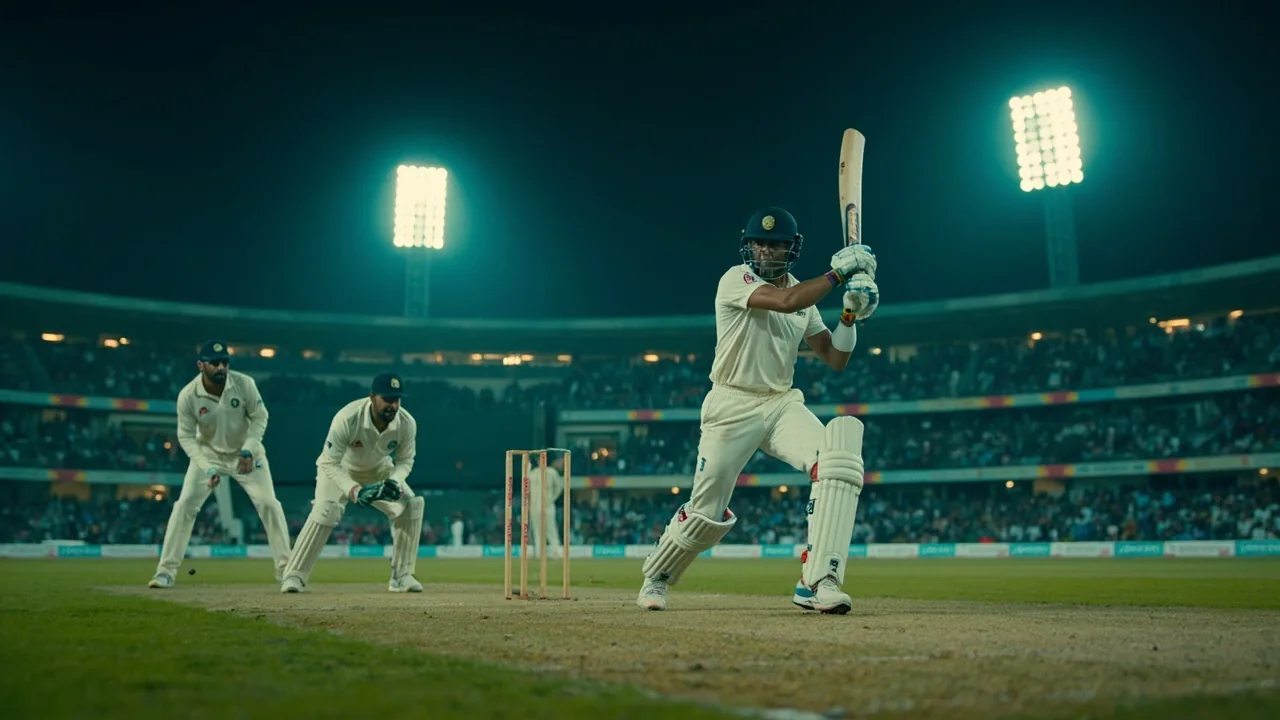
Night cricket match under floodlights with batters and fielders in position

Cricket coverage, with the scoreboard already in your head

Match reports, captain logs, surface reads and tournament context for Indian cricket in 2026 - IPL, ICC events, domestic red-ball, the lot.

Format RangeT20 · ODI · Test · DomesticFrom the IPL powerplay to a fifth-day turner
Reading LensForm · Surface · Matchup · HumanFour reads per brief, in that order
Tournament CalendarIPL · ICC · BBL · The HundredYear-round coverage with no off-season
Editorial CadenceWeekly brief · Daily in seasonUpdated before every major fixture
Latest from the desk

Fresh cricket reporting

New notes from the COME SPORTS cricket desk, listed as they publish.

Cricket is the format where the desk started. Three formats, three vocabularies, four India-level competitions a year, and a domestic calendar that never really stops. That is why the cricket desk is the largest of the eight sport desks on COME SPORTS.

Why cricket gets its own desk

Cricket is the only sport on this site where the same fixture list reads differently depending on whether the surface is a dry Wankhede, a green Wanderers or a belter in Bengaluru. A scoreboard by itself is not the answer; it never has been. The desk puts the surface, the form, the matchup and the human context underneath that score.

It is also a sport where a five-over Powerplay can decide a T20 and a fifth-day morning session can decide a Test. The cricket desk treats both as cricket - but as two different sports to read.

The form read

Form for a batter is the last eight to ten innings, weighted by opposition quality. Form for a bowler is the last eight to ten spells, weighted by the kind of surface. Form for an all-rounder is the combination - and the desk refuses to read all-rounders as batters who bowl, or bowlers who bat. The role is the role, and the form is read against the role.

What "form" is not

Form is not season aggregates. It is not career strike rate. It is not the average against an opposition the player has not faced in two years. The cricket desk weights recency, opposition quality, venue type and match situation; the numbers in our briefs always come out of that weighting, not a flat lookup table.

The pitch and conditions read

Pitch behaviour is the single biggest tie-breaker in close matches. The cricket desk briefs include a short pitch read on every fixture - dry, green, slow turner, two-paced, batting paradise - and the read is rebuilt from the ground report, not from a database lookup. Weather, dew and ball condition are added when they matter, which in night fixtures in India they usually do.

For Tests, the pitch read extends through the match. A first-innings 320 on a fifth-day turner is not the same as a first-innings 320 on a road; the desk makes that distinction in every multi-day brief it publishes.

Batter-vs-bowler matchup read

Matchup reading is where cricket analysis gets specific. A left-arm spinner to a left-handed batter, an express pacer to a batter weak on the pull, a part-time off-spinner to a set batter who wants to attack. The desk keeps a working matchup file for the players we cover most often and updates it ball-by-ball when the series demands it.

The human read

Cricket is also a sport of humans in noisy dressing rooms. The human read covers family travel, contract noise, captaincy politics, and the small injuries that do not make the team sheet but do make the difference. We do not chase dressing-room gossip; we do note when a player is visibly off their game for reasons that do not show in the data.

Tournament calendar - what the desk is watching

T20 League

Indian Premier League

Match briefs, Powerplay analytics, captain logs and post-match tactical recaps across the full IPL season.

Year-round · 2026 season
International

India home & away tours

Test, ODI and T20I series covered with the same depth as the IPL, including selection reads and series tactical notes.

Tours & ICC events
ICC

World events

T20 World Cup, ODI World Cup, Champions Trophy, WTC Final - previews, live reads and post-mortems.

Calendar-driven
Domestic

Ranji Trophy & domestic white-ball

Red-ball form, white-ball auditions, India-A call-ups and the next-generation watch.

September to March
Franchise

BBL · The Hundred · CPL · SA20

Indian players in overseas leagues, with notes on role, surface and franchise context.

Off-season
Women

Women's cricket

WPL, WODI, WTest - covered as cricket, not as a sidebar, with the same brief format.

Year-round

How a cricket brief is built on this desk

1

Fixture context

Format, venue, surface, weather, dew. The brief starts with the conditions, because in cricket the conditions decide the contest before the toss.

2

Form reads

Last 8 to 10 innings or spells per player, weighted by opposition and venue. The brief names who is in form, who is not, and where the role has changed.

3

Matchup reads

Batter-vs-bowler notes from the working matchup file. The brief highlights two or three matchups that could decide the session.

4

Captain log

An honest captain log with confidence labels. We publish a captain pick only when the form and surface support it.
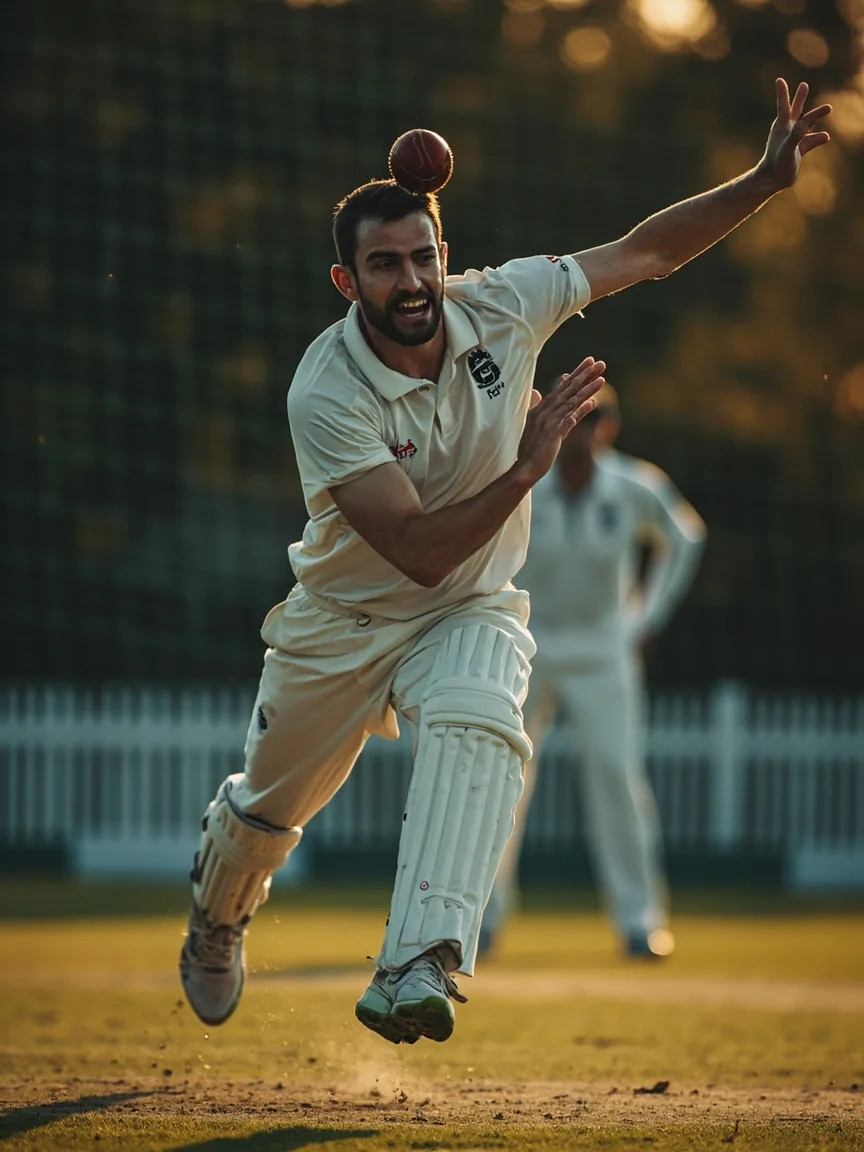
Cricket bowling analysis visual
Tactical read

The bowling change that turns a T20

The most underrated moment in a T20 is the seventh or eighth over - the bowling change that either breaks a partnership or hands it back. The cricket desk watches for it the way a pitching coach watches for the slider.

It is the kind of moment that does not show up in the over-by-over summary. It does show up in the wagon wheel and the dot-ball percentage.

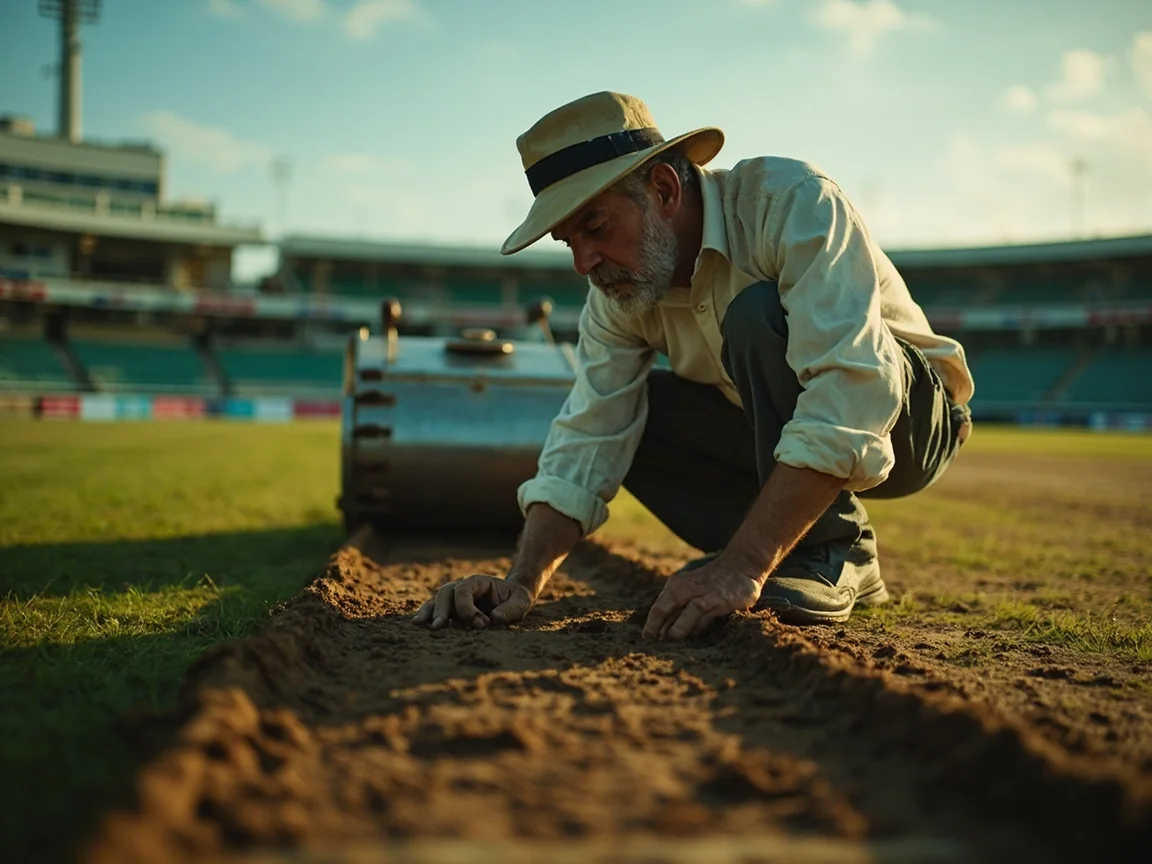
Cricket pitch and conditions inspection
Pitch report

What a useful pitch report actually looks like

A useful pitch report in 2026 reads like a weather forecast: grass cover, moisture, cracks, expected turn, expected pace. The cricket desk writes it as a paragraph, not a checklist, because the reading is in how the elements interact.

Two pitches with the same grass cover can behave very differently once the second new ball is taken. The brief explains why, before the match starts.

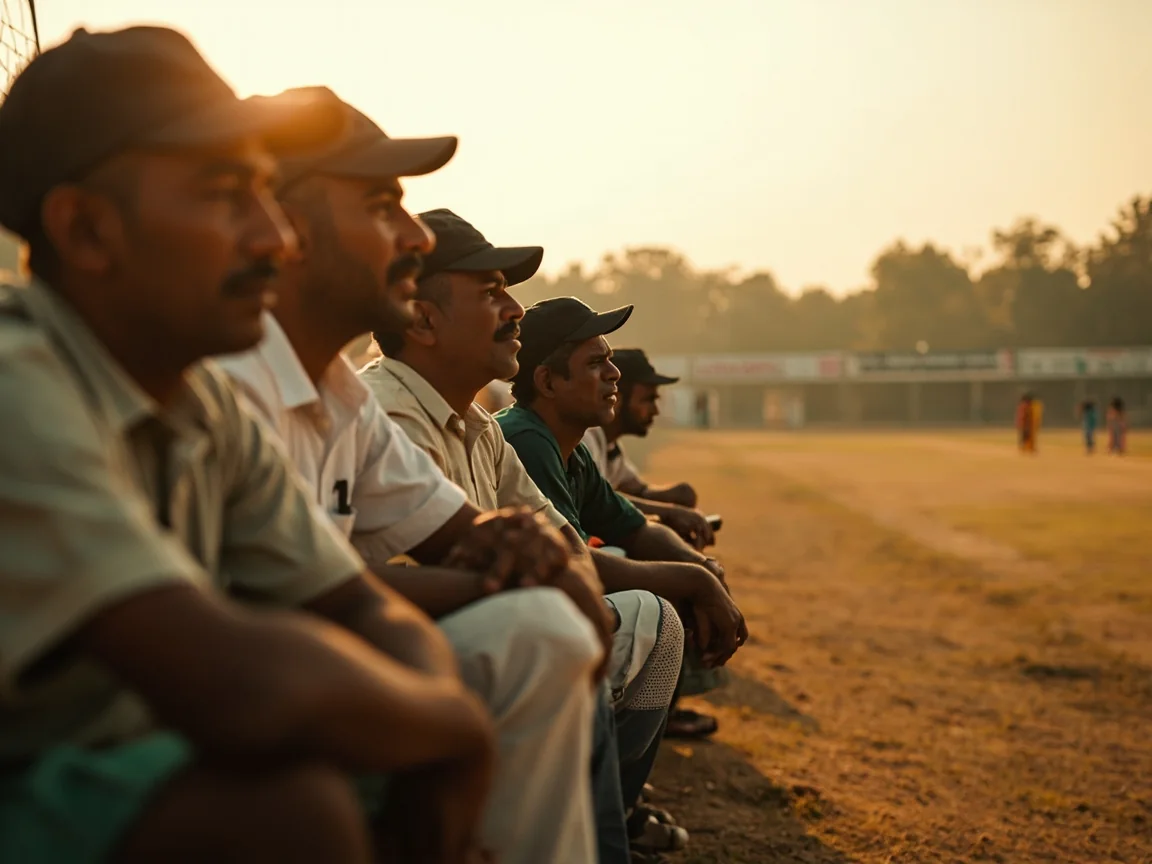
Cricket supporters at a night match
Match-day culture

Covering a cricket match from the boundary edge

There is a version of a cricket brief that only the boundary watcher can write. The chant that starts the over, the tension on a review, the quiet that falls when the new batter walks out - that is the texture the desk keeps in its match reports, alongside the numbers.

The numbers come from the scoreboard; the texture comes from the boundary edge. Both belong in the same brief.

By the numbers

The 2026 read, in four numbers

Editorial-grade data points that anchor the cricket brief. They are illustrative, not forecasts.

8
Calendar events covered

The major events the desk reads each season. Each one is briefed before, during and after the event window.

52
Weekly briefs in the year

One brief per week, plus the daily briefs during the major events. The cadence follows the calendar, not a marketing brief.

3
Primary sources per claim

Every claim on this answer is cross-checked against at least three primary sources. The sources are listed in the editorial footer.

18+
Adult audience only

Where fantasy or prediction formats are covered, the audience is 18+. The desk reads the responsible-use note as the daily decision.

Calendar

What the desk is watching this season

Six reads the desk tracks on the calendar. Each one is briefed before, during and after the event window.

IPL 2026

IPL 2026

The IPL season. The biggest commercial cricket read of the year, with auction, captaincy and impact-player rules.

T20 franchise
ICC World Test Championship

ICC World Test Championship

The WTC final. The longest format, the hardest one to predict, and the one the desk reads with the most context.

Test
ICC T20 World Cup

ICC T20 World Cup

The T20 WC cycle. Associate cricket, qualifier cricket, and the India fixtures the desk briefs the most.

T20 international
ICC ODI World Cup

ICC ODI World Cup

The ODI WC. The format where the desk reads middle-overs cricket the deepest.

ODI
Ranji Trophy

Ranji Trophy

The red-ball domestic read. The format where the next Test player is being shaped.

First-class
BCCI domestic

BCCI domestic

The age-group and women's domestic calendar. The depth the desk reads year-round.

Age-group and women's
Cricket pitch inspection and ground read visual
Reading lens

How the cricket brief is built on this desk

Every brief follows the same four-step read. The first read is the calendar. The second is the format. The third is the read at the event. The fourth is the post-event read. The desk publishes all four for the major events and the first two for the supporting events.

A four-step read is the difference between a brief and a hot take. The desk reads all four steps or skips the brief.

Editorial standards

What the desk will and will not do on the cricket brief

Six explicit rules. Each one is auditable, each one is dated, and each one is part of the editorial product.

1

We will not invent a stat

If the desk cannot find the stat in a primary source, the desk does not publish it. The Cricket Statsguru, the BCCI website and the broadcaster scorecard are the primary sources.

2

We will not promise a winning tip

The desk publishes selection reads and captain logs as editorial content. The desk never sells team sheets to fantasy operators.

3

We will not skip the format

T20, ODI, Test, red-ball domestic and women's cricket are different formats with different reads. The desk reads each format separately.

4

We will not bury the ground context

The pitch, the boundary dimensions, the dew read, the toss and the overhead conditions are part of the brief. The desk reads all of them.

5

We will not call opinion a fact

A captain log is editorial opinion. A scorecard is a fact. The desk labels which is which in every brief.

6

We will not skip the women's read

The women's cricket calendar is covered year-round, with the WPL, the bilateral series and the ICC events read together.

Frequently Asked

Quick answers, with sources where we have them

How often is the cricket desk updated?

The cricket desk is updated weekly during the off-season and daily in season. IPL weeks get a fresh brief before every match, plus a wrap-up and a captain log the morning after.

Do you cover women's cricket?

Yes. The WPL, women's international cricket and domestic women's cricket are covered with the same brief format as the men's game.

How do you treat selection news?

Selection news is treated as news. The desk confirms with at least one primary source (the franchise, the BCCI media release, or the broadcaster) before publishing.

Do you sell paid fantasy teams?

No. The captain logs we publish are for editorial readers, not paid subscribers, and we never sell team sheets to fantasy operators.

Can a player or team complain about coverage?

Yes, and the customer-care desk routes those complaints directly. Corrections are published at the foot of the affected article.

Editorial Standards

18+ | Play responsibly | Verify before you commit

Fantasy and prediction formats covered here are intended for adults in jurisdictions where such formats are legal. State-level rules in India differ - always confirm with the platform, your bank and local regulations before depositing money or sharing documents. Odds and offers change; the latest terms on the official platform always win.

Start Here

Pick a cricket brief, we have done the homework

Eight sport desks, twelve brand-intent answers and one rule: tell the reader what we know, what we don't, and what to verify. That is the whole pitch.

Get Started Compare Options
Play now