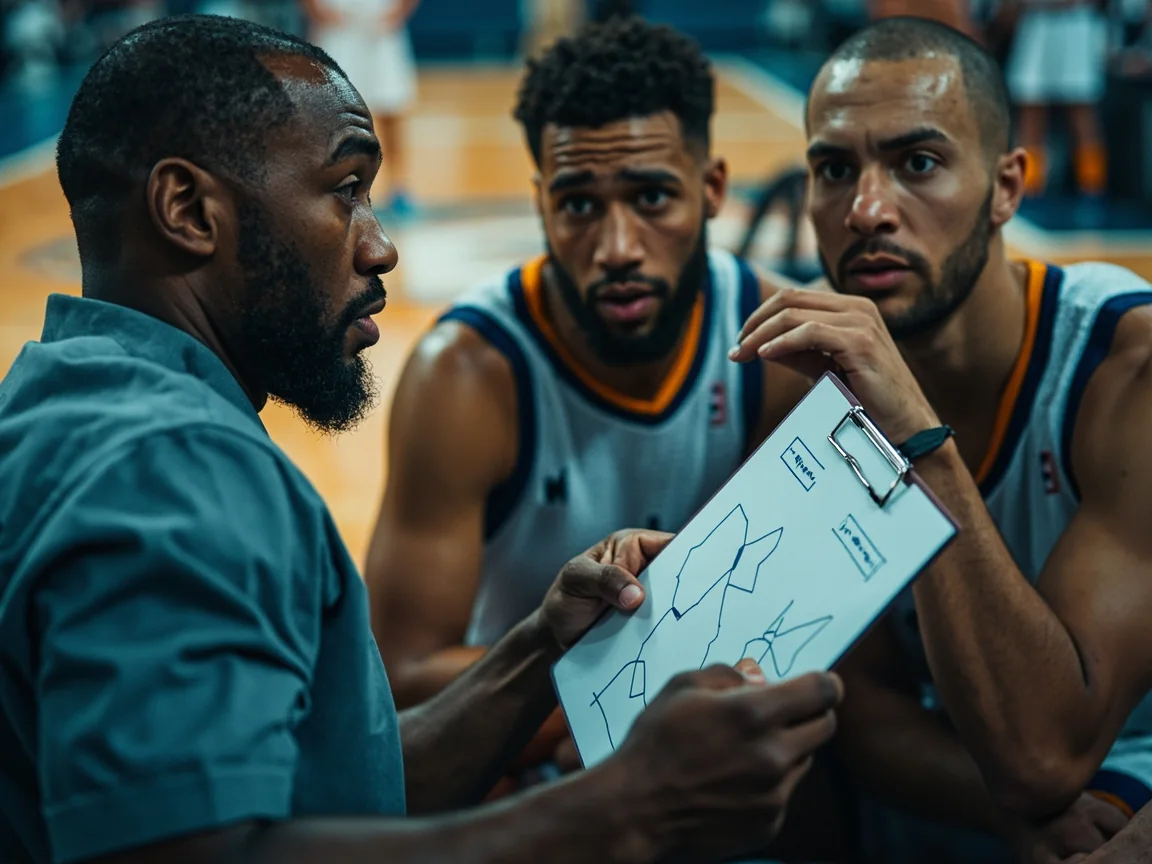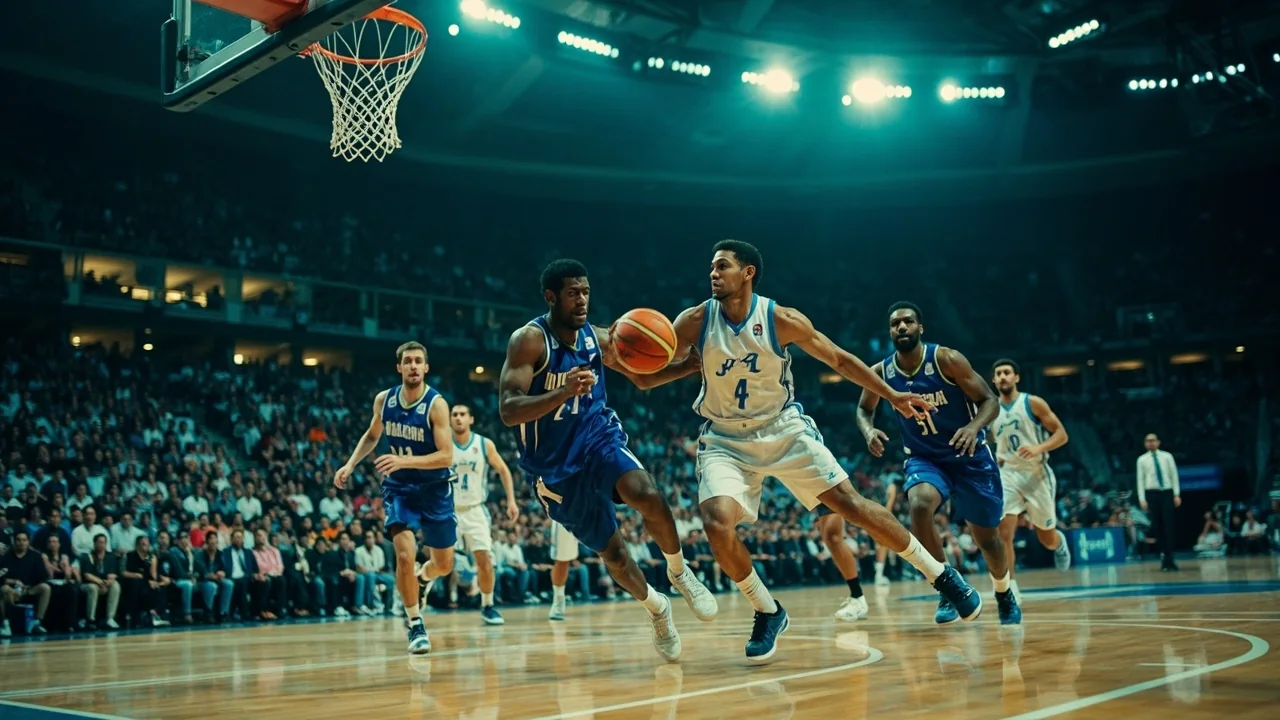
Basketball is the sport on this desk where the rotation log matters most. Every NBA game is a 240-minute contest, with the bench deciding most of the close fourth quarters. The basketball desk reads the game the way a coach reads it: pace, spacing, rotation, matchup, in that order.
Pace and the early-shot read
Pace is the first number the basketball desk looks at on a game sheet. Pace per 48 minutes, pace differential between the two teams, and the way the pace changed when the bench came in. The pace read also covers the early-shot clock decisions - the first six seconds of possession are where most NBA coaches script their offence.
A high-pace team that forces turnovers looks very different from a high-pace team that gives up open threes. The desk writes the pace read with both numbers.
Spacing and the floor geometry read
Spacing is the second number. The floor geometry read covers the way the offence used the corners, the wings, the high post, and the dunker spot. It also covers the way the defence chose to defend the pick-and-roll - drop, switch, blitz, ice.
A spacing read without a pick-and-roll read is incomplete. The desk always pairs them.
What a rotation log actually shows
A rotation log shows the minutes per player, the units that closed each quarter, and the way the bench changed the pace and spacing. The basketball desk reads the rotation log as a paragraph, not a chart. The paragraph is where the read lives; the chart is the evidence.
Rotation and bench read
The rotation is where NBA games are won and lost. The basketball desk's rotation read covers the starter minutes, the bench minutes, the closing five, and the way the coach changed the rotation when the scoreline demanded it. The rotation log is published on selected fixtures.
A rotation read is most useful in the second half of the season, when the playoff race tightens and the bench becomes a deciding factor.
Matchup read
The matchup read covers the way the defence chose to guard the opposing stars, the way the offence hunted the switches, and the way the bench units matched up. It is the most tactical of the four reads and the one that travels best on a single possession.
The matchup read is where the desk's live notes differ most from the broadcast feed. The broadcast shows the matchup; the live note explains the choice.
League calendar - what the desk is watching
United States
Pace reads, spacing analysis, rotation logs and the playoff race. Match briefs every week in season.
Europe
The European game: pick-and-roll heavy, slower pace, deeper rotation. Match briefs on selected EuroLeague nights.
India
The new Indian National Basketball League - fixtures, team reads and the way the Indian pro game is finding its competitive shape.
Basketball Champions League Asia
The continental club competition, with notes on Indian clubs and the way the league has grown.
NCAA and Indian college
The NCAA draft watch, plus the Indian college circuit that feeds the INBL.
India senior team
India's FIBA windows, the Asia Cup cycle and the next-generation watch.
How a basketball brief is built on this desk
Pace and spacing
A first read of the two teams' pace and spacing, with a starting hypothesis on the early-shot clock decisions.
Rotation and bench
A close look at the rotation, the bench units, and the way the coach changed the rotation when the scoreline demanded it.
Matchup read
A tactical read of the pick-and-roll decisions, the switches, and the way the defence guarded the opposing stars.
Verdict with caveats
A short verdict on the contest, with the score read as the result of the rotation and the matchup, not just the box score.